 Alex Camp
PEAK6 / Zogo Finance
Skill completion up 36%.
I redesigned how Zogo teaches, from lesson structure to rewards, and extended the same system to partners through an embeddable SDK.
- RoleStaff Product Designer
- Timeframe2023 – 2026
- PlatformsiOS, Android, web, SDK
- Scale3M+ users
The complexity
One product, many brands.
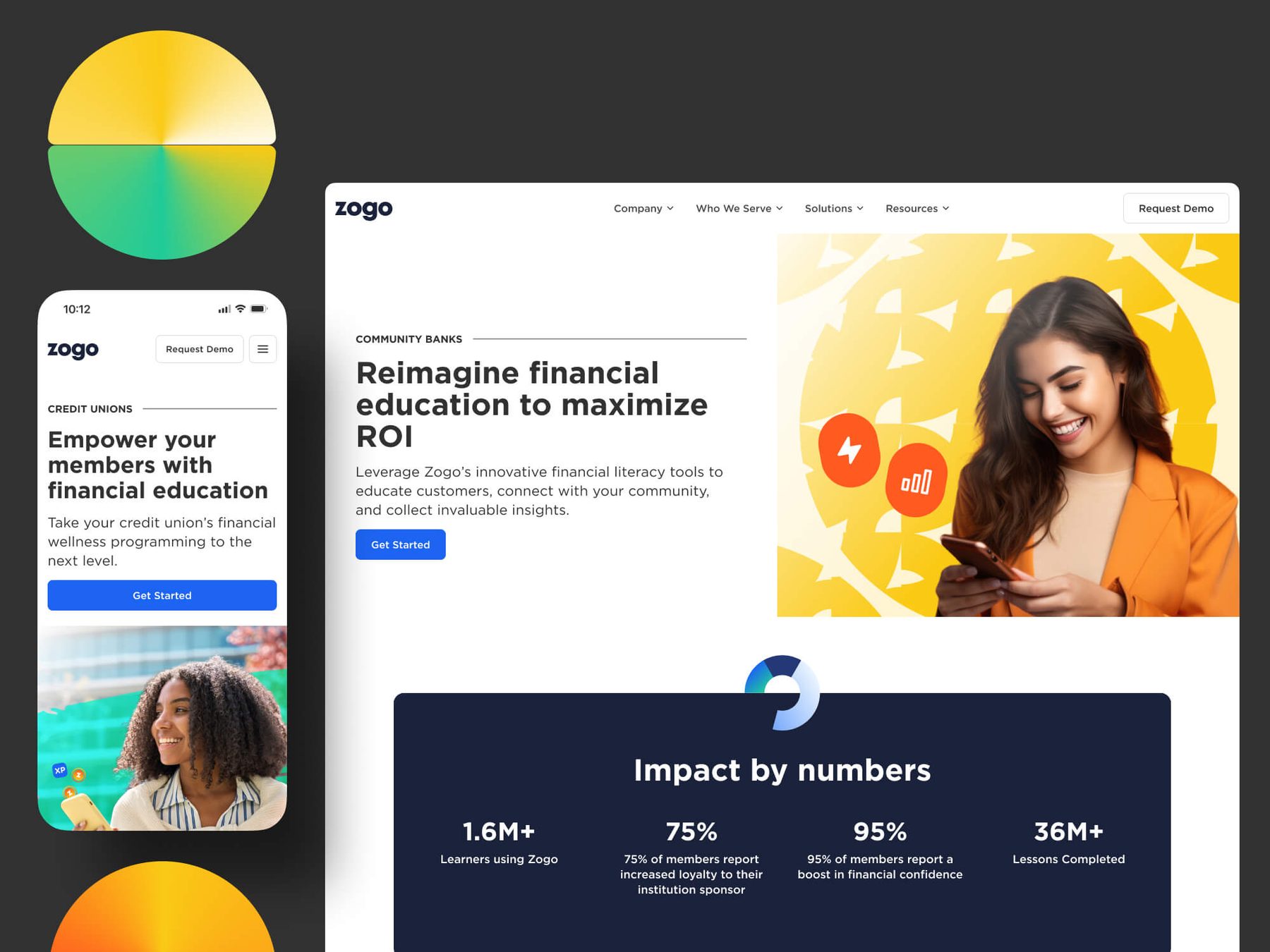
Zogo is a white-label app. The same product reaches millions of consumers and re-skins itself with each partner bank or credit union's logo and colors.
- LearnersA simple, motivating app that builds a habit.
- PartnersTheir own brand, inside their own apps and websites.
- SalesSomething real to show prospective partners before it ships.
- EngineeringOne codebase and one design system to maintain.
How I untangled it
I made brand and features configuration instead of custom work. One design system re-skins itself for each partner, and a configuration tool lets partners choose features without engineering help. Learners still get one consistent product, and working prototypes let sales demo the SDK to prospective partners.
Key decisions
What I changed.
-
01
One system, any brand
I scaled a single design system across products that adapts to each partner's brand, so design and engineering could move faster without forking the product.
-
02
Make learning a habit
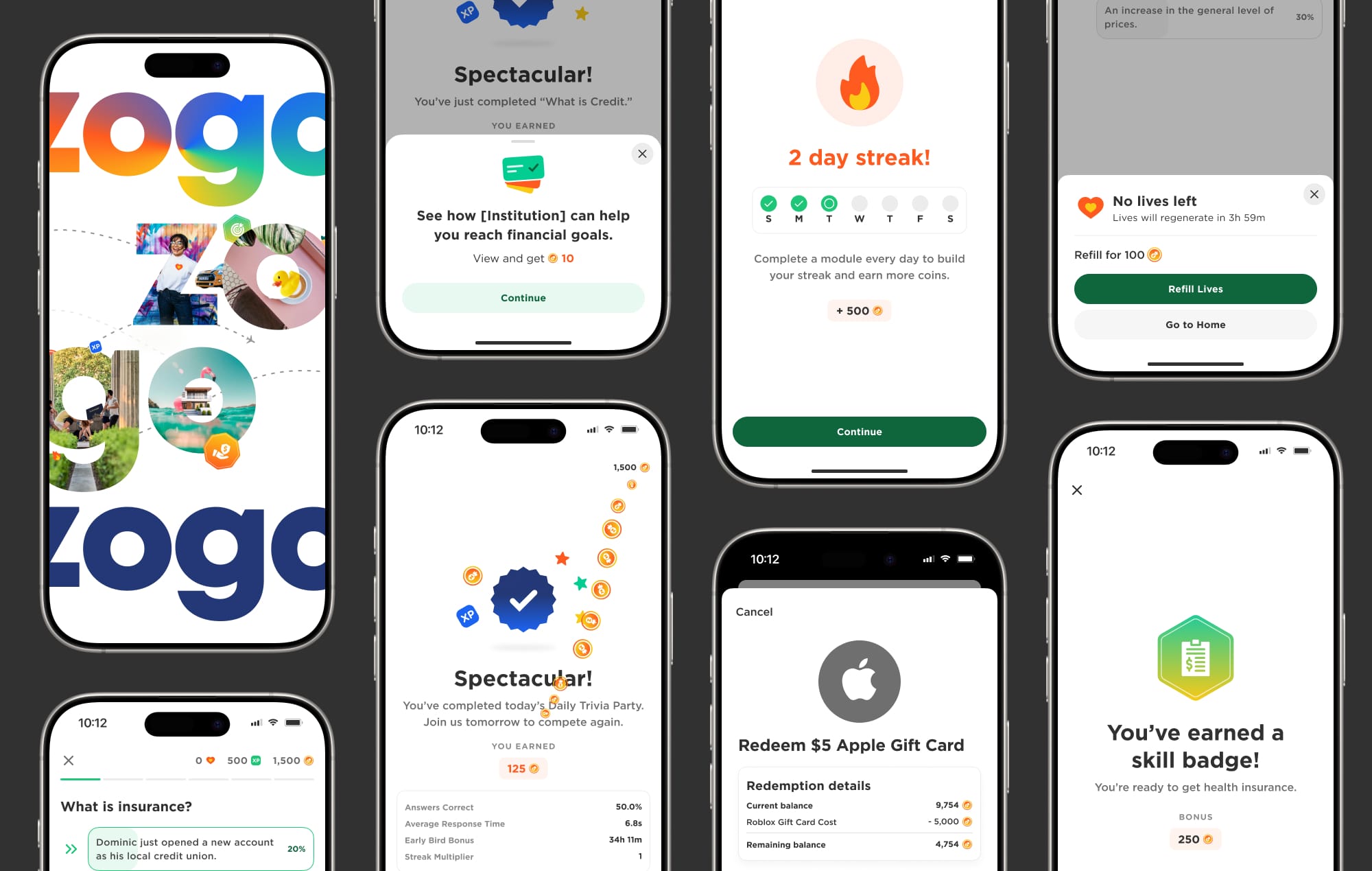
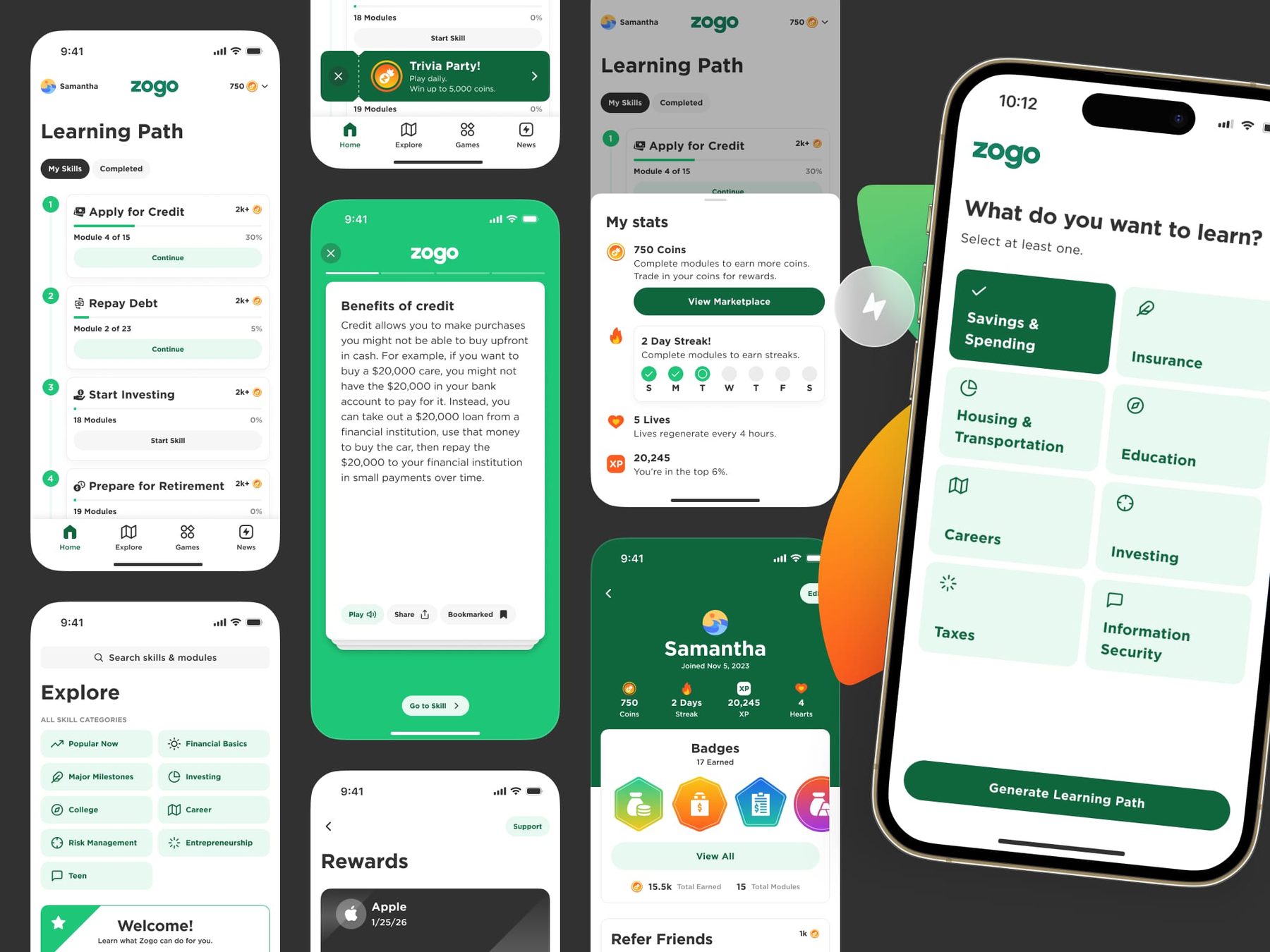
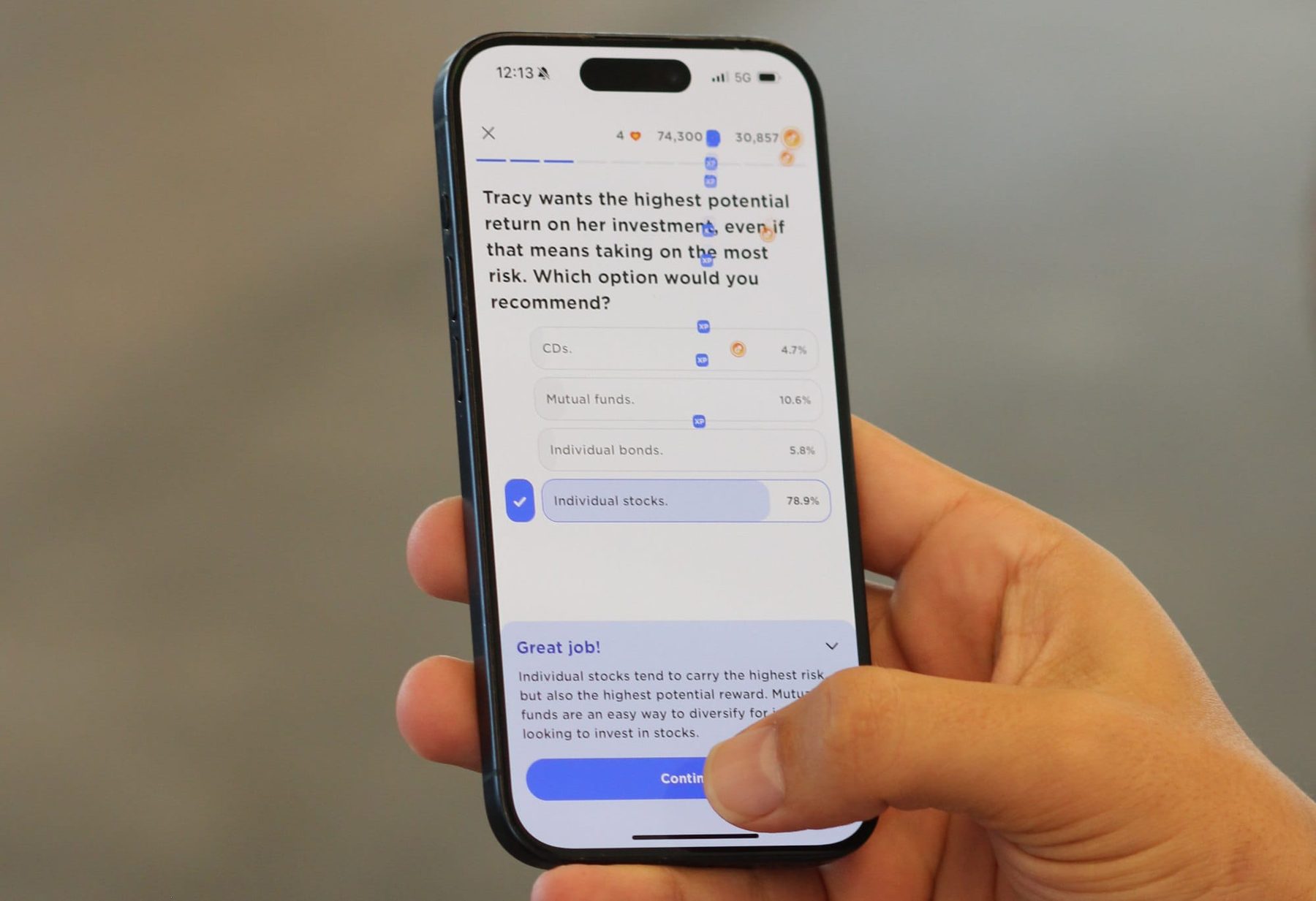
I reworked lesson structure, user flows and rewards so every session ends with visible progress: streaks, skill badges and redeemable rewards.
-
03
Embed it anywhere
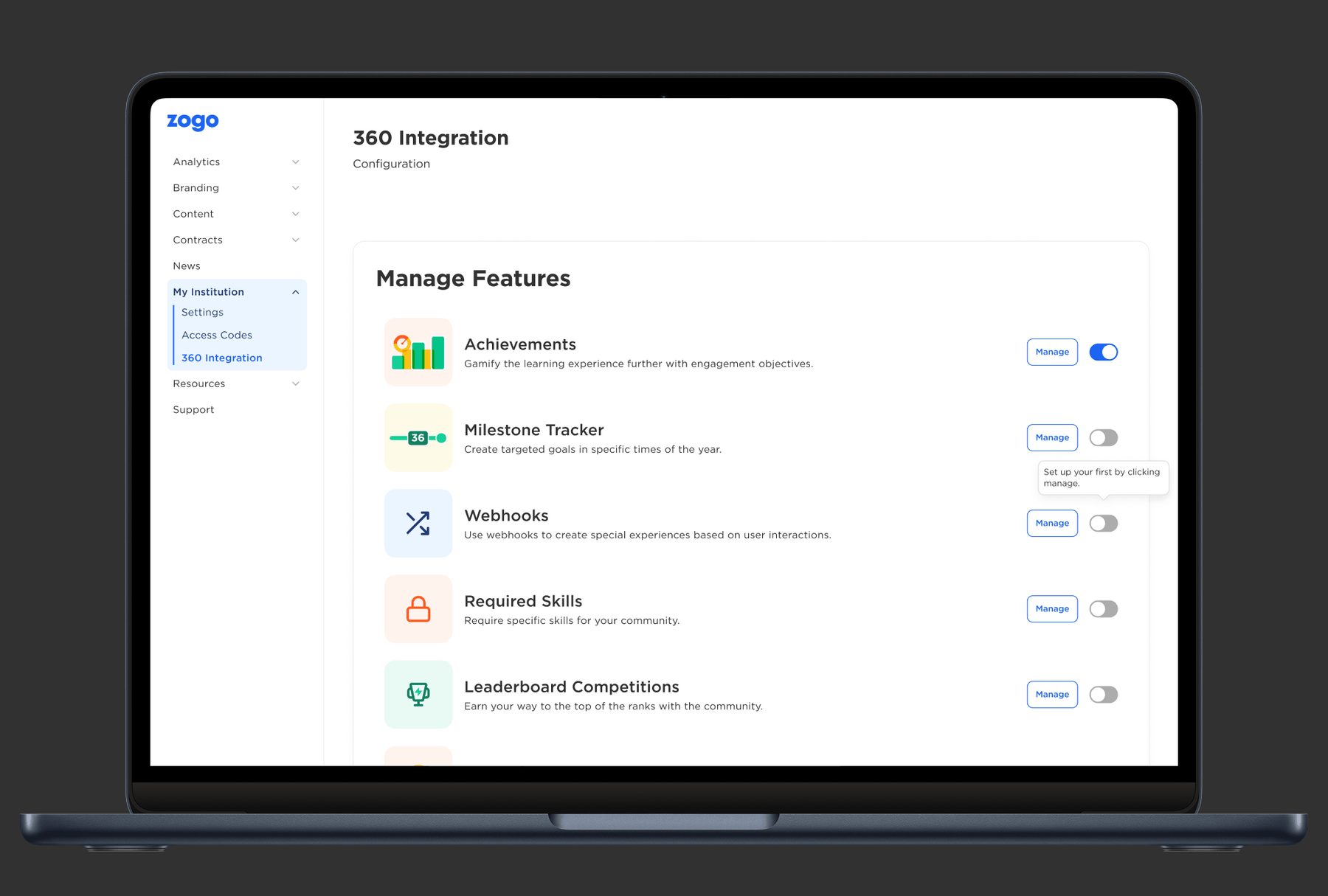
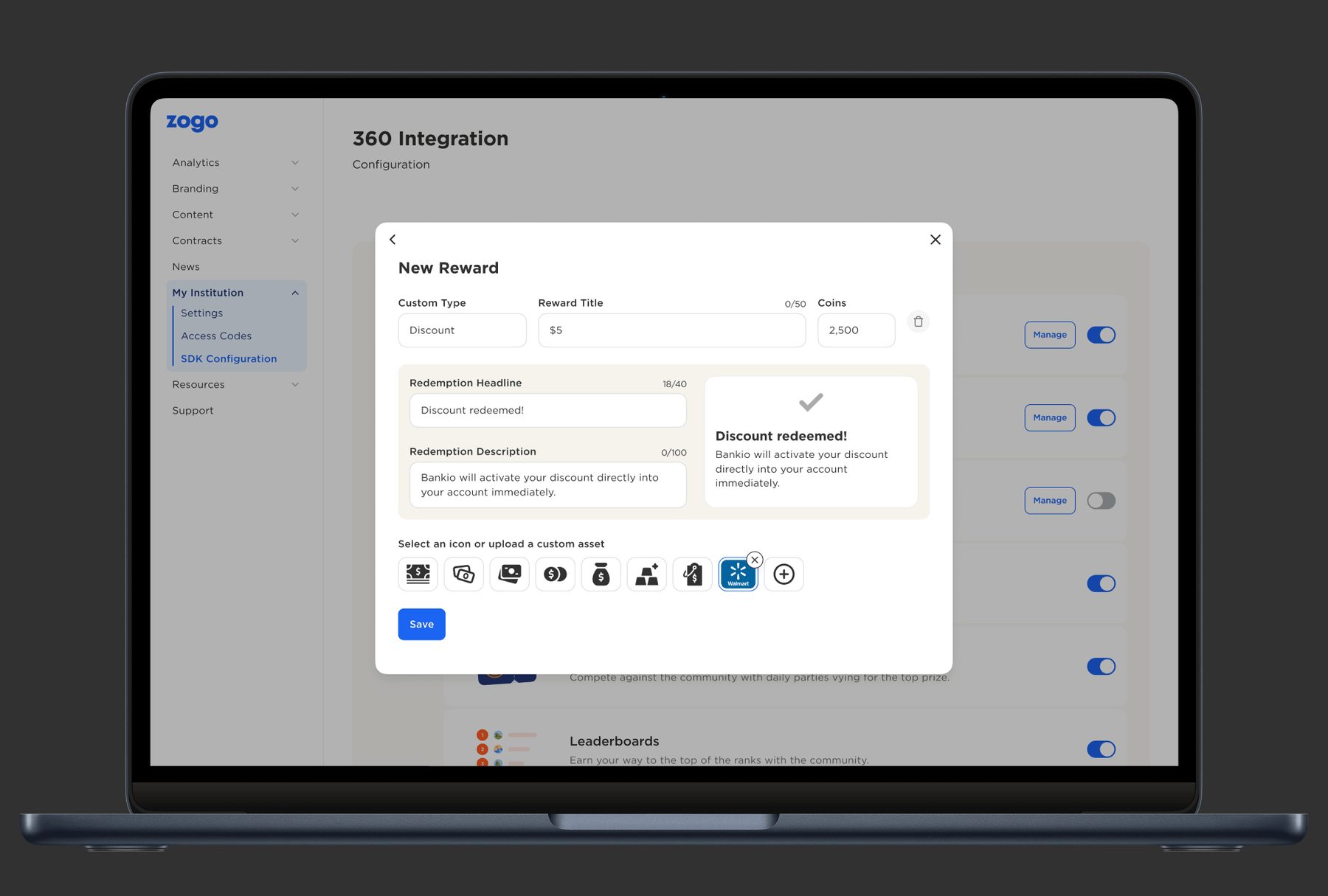
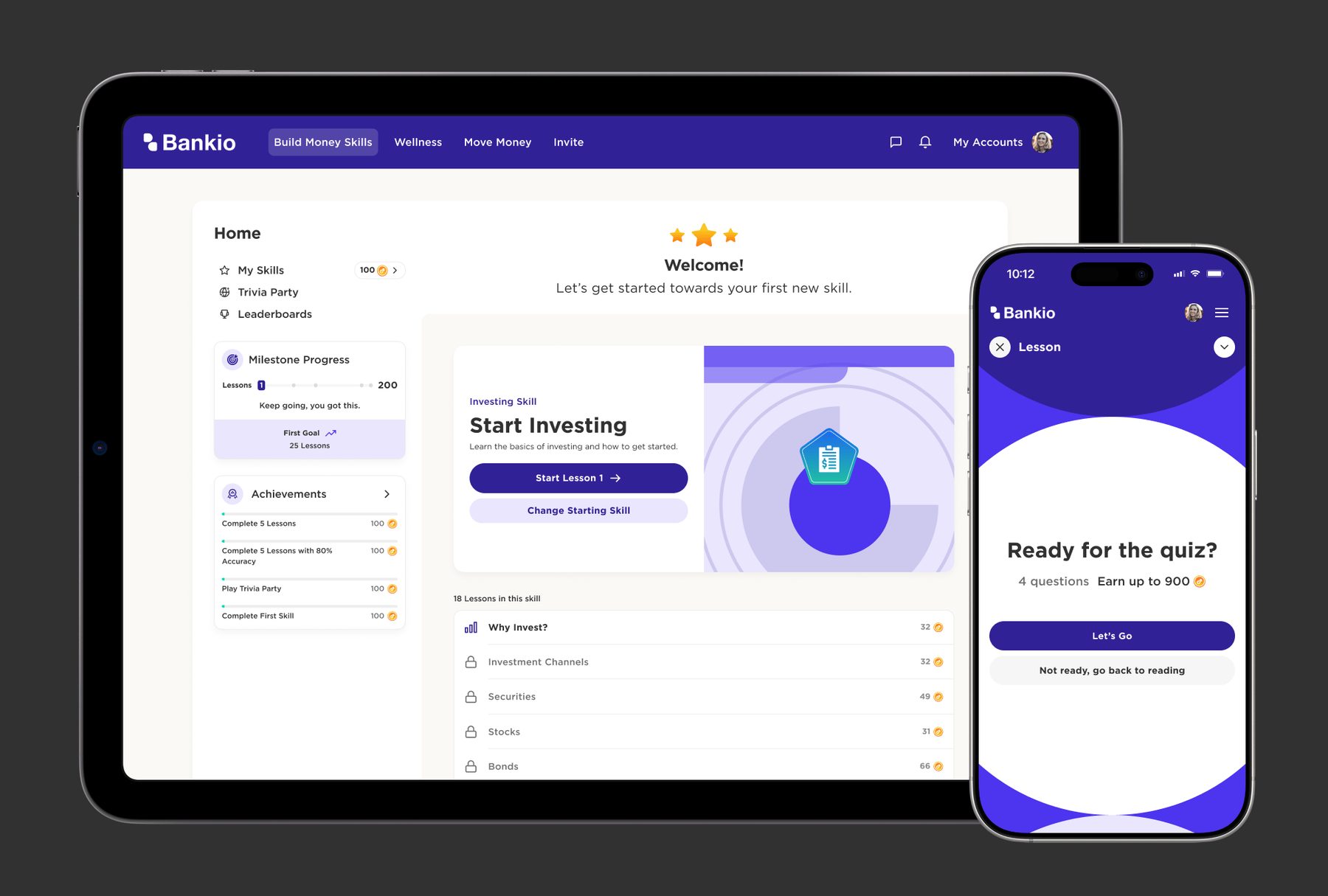
I led end-to-end design of a turnkey SDK and a configuration tool partners use without technical help. My working prototypes doubled as sales demos.
The tradeoff
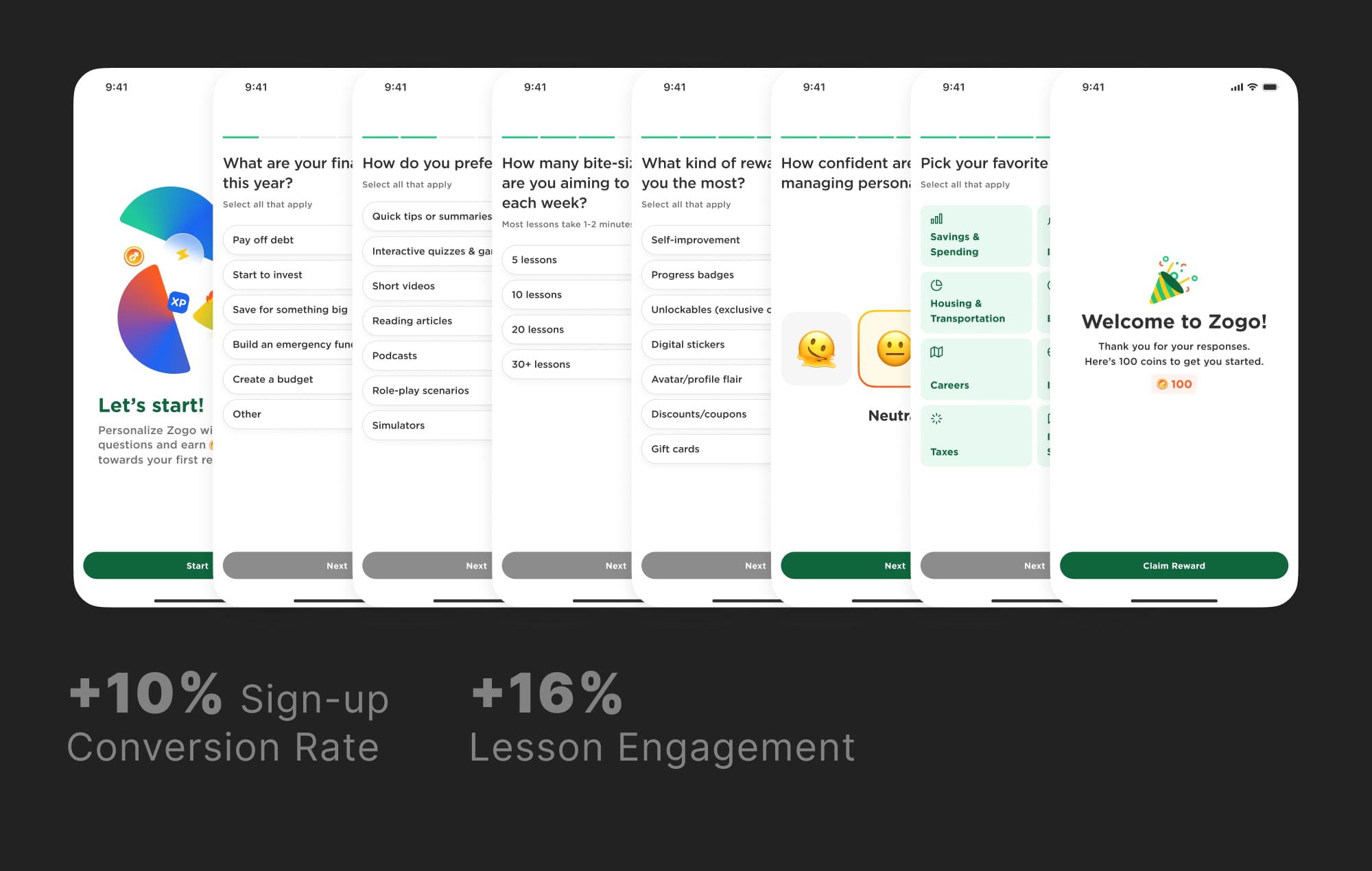
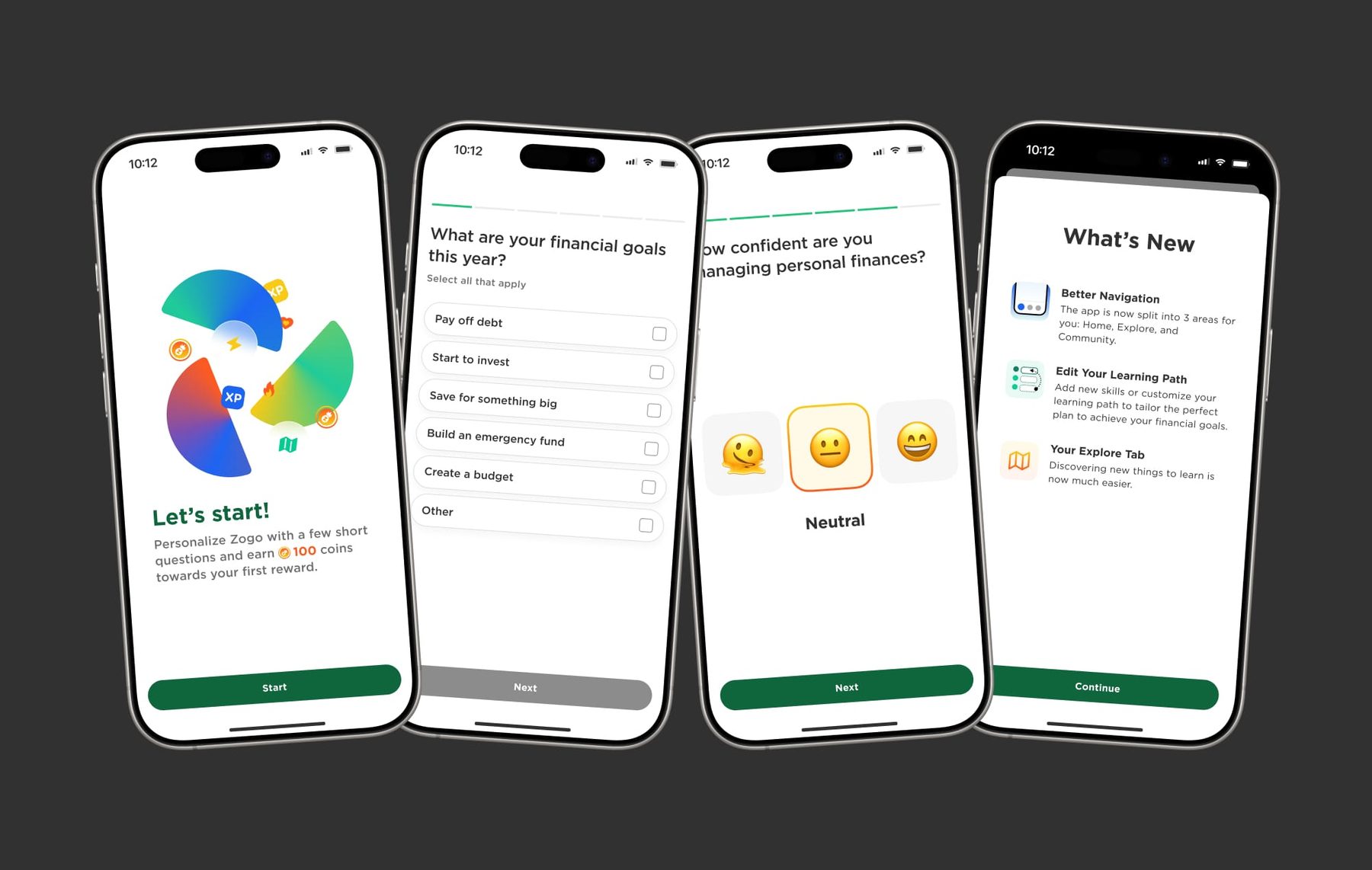
Short onboarding, or a smarter one?
Why
A/B tests showed the extra steps didn't hurt conversion. It went up 10%. We got richer data for partner reporting, a more personal experience, and gift card redemption turned from a friction point into a moment of delight.
Also shipped
The work, up close.
How we worked
Fixing the release rhythm.
Soon after joining, I saw our release process was costing the whole company time. Every three-week sprint ended with 20+ people in two to three hours of QA, and many showed up without really taking part.
- BeforeThree-week sprints, then one long QA session for 20+ people.
- What changedTwo-week sprints, with design QA first and team QA after.
- ResultI land UI/UX fixes a day or two early, so team QA is shorter and more focused: fewer people, better feedback.
Impact
What moved.
- +36%Skill completion
- +25%Retention, year over year
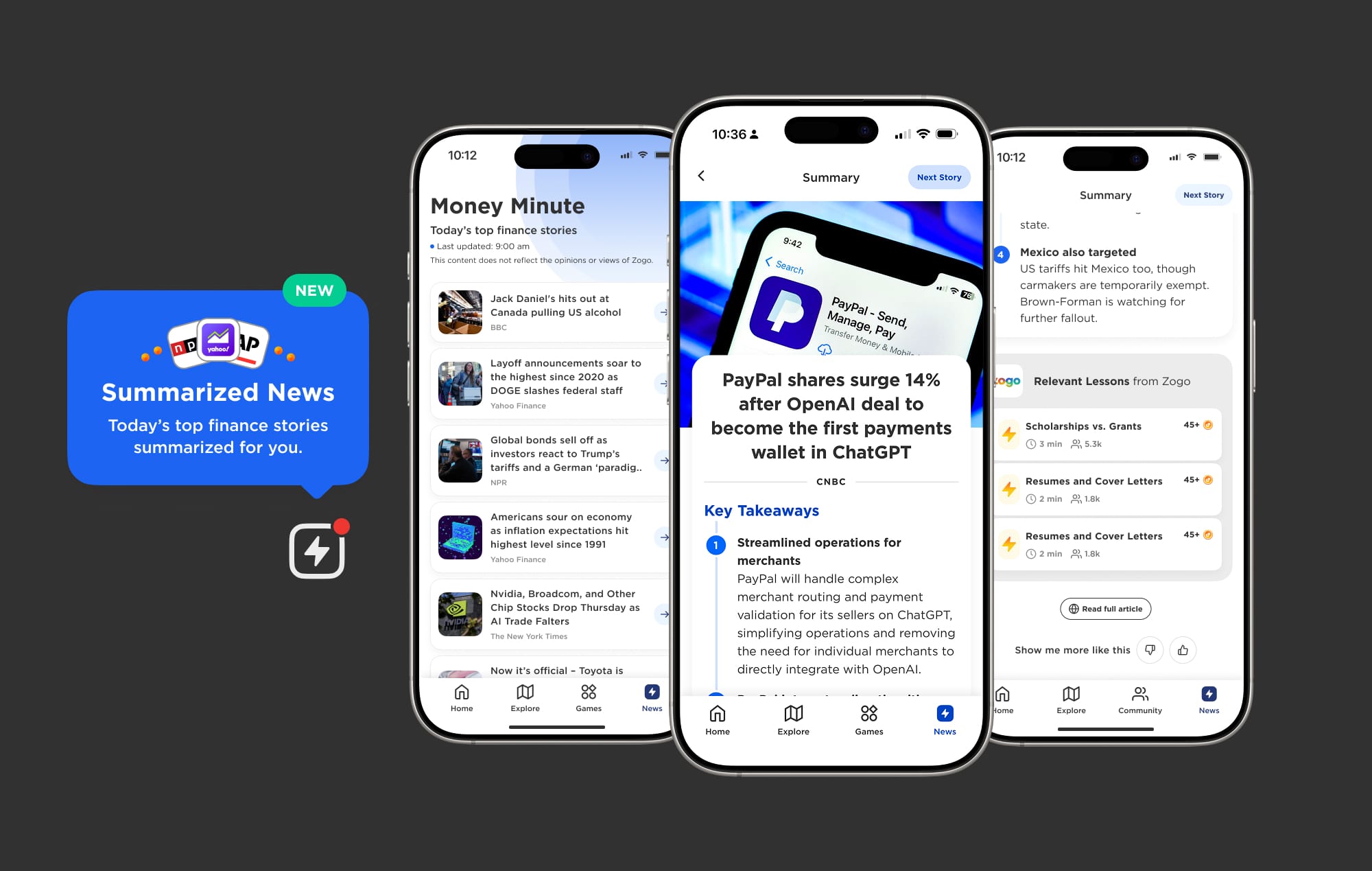
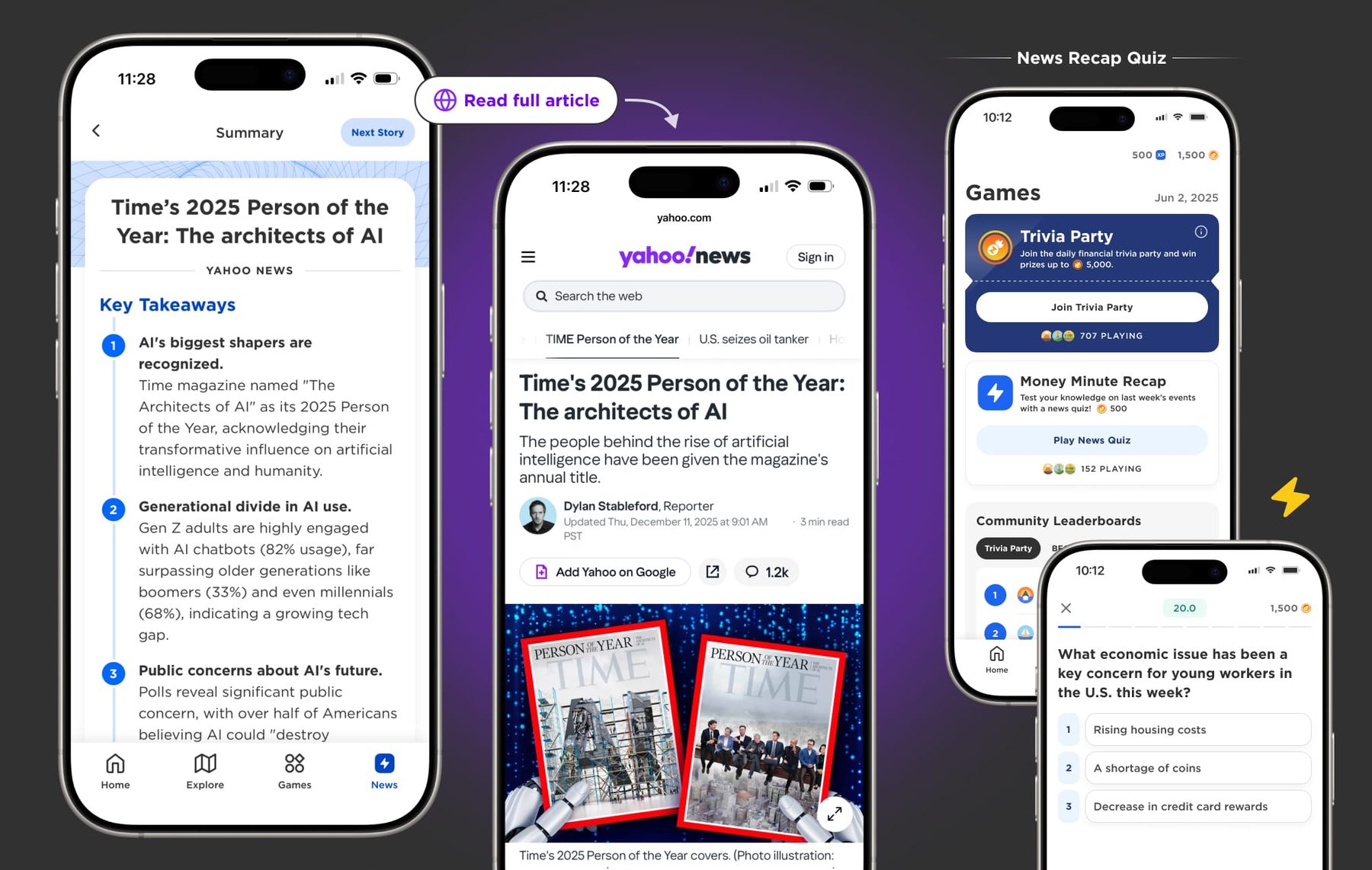
- +27%Lesson starts from news
- +10%Onboarding conversion
For partner banks and credit unions, engagement is the ROI: better-informed customers tend to pay bills on time and use more of their institution's tools and services.
These are team results from product analytics and A/B tests. I led the design work behind them with product, content and engineering partners.
More from the project (09)
A few more screens.
01 / 09
Next case study
Poker PowerAlso at PEAK6: rebuilding navigation and the first game to triple retention.